
(Estimated Reading Time: 18 minutes)
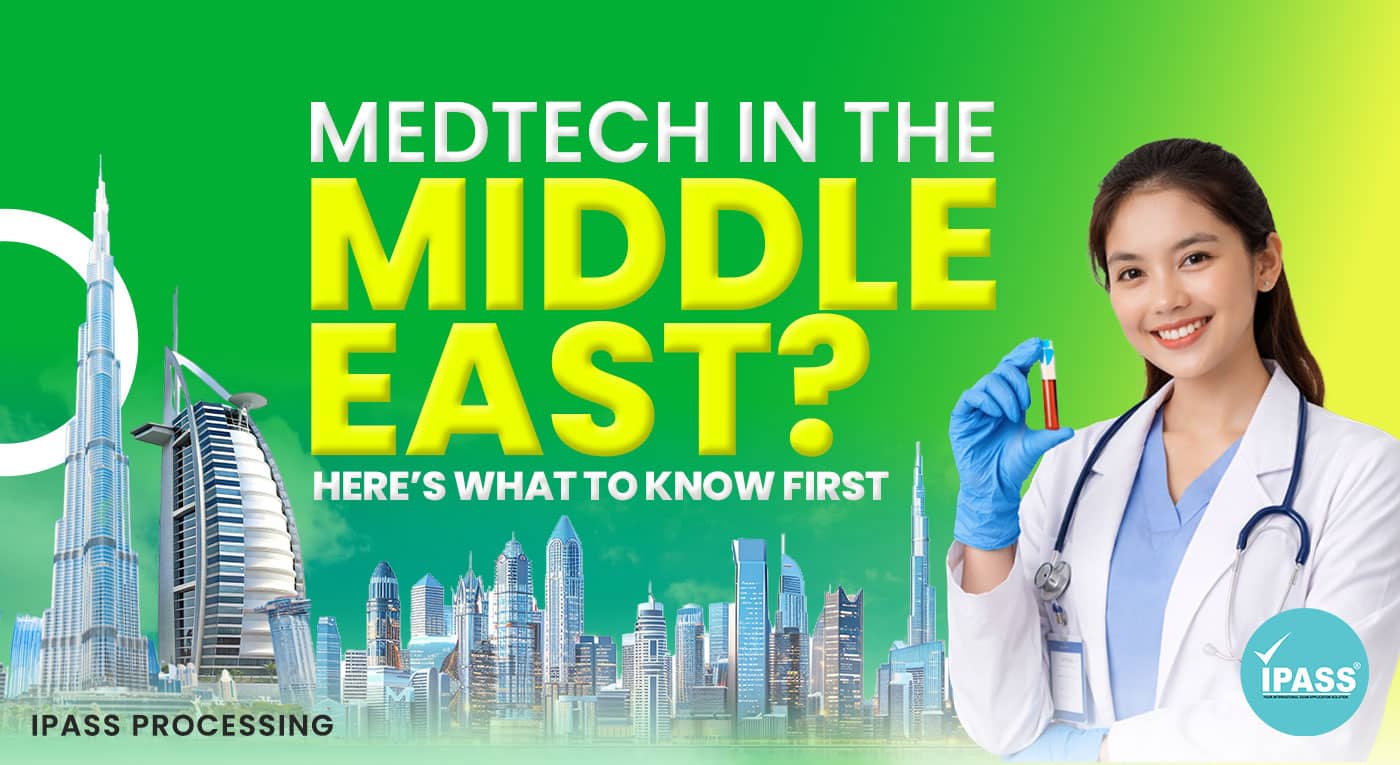
Many Medical Technologists today are exploring opportunities beyond their home country, and the Middle East continues to stand out as a top destination. With competitive salaries, strong healthcare systems, and growing demand for laboratory professionals, countries such as the United Arab Emirates, Saudi Arabia, Qatar, and Oman attract thousands of applicants each year.
However, working abroad is more than just submitting a resume. It involves meeting strict qualification standards, completing document verification, securing licensing approval, and in many cases, passing a regulatory exam. Before starting your application, it is important to understand how the process works and what requirements you must meet to succeed.
Why Many Medtechs Choose the Middle East
Before discussing the process, it helps to understand why this region attracts so many healthcare professionals.
Strong Healthcare Systems and Government Regulation
Middle Eastern countries operate under structured healthcare regulatory authorities. These government bodies ensure that only qualified professionals are licensed to practice.
Some of the main authorities include:
Ministry of Health and Prevention UAE
Saudi Commission for Health Specialties
Qatar Ministry of Public Health
Because these are government regulated systems, the process is standardized and clearly documented. However, it is also strict and detail oriented.
Competitive Salary and Benefits
One of the biggest reasons Medtechs look to the Gulf region is tax free income. In many cases, employers also provide housing allowance, health insurance, transportation support, and annual leave benefits.
For professionals focused on financial growth and long term savings, this can be a major advantage.
Exposure to Advanced Laboratory Technology
Hospitals and diagnostic centers in cities such as Dubai, Riyadh, and Doha are equipped with modern analyzers and automated systems. Working in these facilities enhances your professional skills and international credibility.
How to Become a Medtech in the Middle East
This is one of the most searched questions online. The answer depends on the country you choose, but the general pathway follows a similar structure.
You cannot legally work as a Medical Technologist in the Middle East without a professional license issued by the country’s regulatory authority.
Here is what you need to know first.
1. Educational Qualification Matters
Most regulatory authorities require:
• A Bachelor’s Degree in Medical Laboratory Science or equivalent
• Completion of internship training
• A valid professional license from your home country
Some authorities also require a specific number of years of post licensure work experience.
Before applying, review the official Professional Qualification Requirements published on the government website of your target country. Requirements can change, so always check updated information from official sources.
2. Work Experience Is Usually Required
Many Middle Eastern regulators require at least two years of clinical laboratory experience after graduation.
Your employment must be properly documented through:
• Certificate of employment
• Clear job description
• Verified employment dates
Incomplete or inconsistent employment documents are one of the most common causes of delays.
3. Primary Source Verification Is Mandatory
Primary Source Verification confirms the authenticity of your degree, license, and employment history.
This process typically involves direct communication with:
• Your university
• Your licensing board
• Your previous employers
If contact details are outdated or responses are delayed, the verification stage can take longer than expected.
Accuracy and consistency across all documents are extremely important at this stage.
4. You May Need to Pass a Licensing Exam
In many cases, Medical Technologists are required to pass a licensing examination before receiving approval to practice.
For example, if you plan to work in Dubai, you may need to undergo assessment under the Dubai Health Authority. Official guidelines and requirements are available here.
The exam generally covers major laboratory disciplines such as:
• Clinical Chemistry
• Hematology
• Microbiology
• Blood Banking
• Laboratory Quality Control
• Safety Procedures
Preparation is critical. The exam ensures that all licensed professionals meet the required competency standards.
How Do I Get a DHA License as a Medtech?
The DHA license is one of the most popular credentials among healthcare professionals targeting Dubai.
Here is a simplified overview of the process:
- Create an account in the DHA licensing portal
- Undergo Primary Source Verification
- Receive eligibility letter
- Activate your license
Each step must be completed carefully. Errors in documentation, incorrect category selection, or failure to meet Professional Qualification Requirements can result in application rejection.
Detailed and updated information is always available directly from the Dubai Health Authority website.
Common Questions Medtechs Ask Before Applying
Can I Apply Without Work Experience?
In most cases, no. Most Gulf regulatory bodies require post graduation clinical experience. Always confirm the minimum requirement through official sources.
How Long Does the Process Take?
Timelines vary depending on:
• Completeness of documents
• Speed of verification responses
• Exam scheduling availability
Delays often happen during the verification stage.
Can I Process Everything by Myself?
Yes, technically you can apply directly through the official portals of each health authority. All guidelines are publicly available.
However, the process is document sensitive and highly regulated. Even small inconsistencies can cause delays or rejection.
Applicants must carefully interpret eligibility criteria, prepare accurate documentation, monitor application updates, and manage deadlines while also preparing for the exam.
What to Prepare Before Starting Your Application
Before beginning your licensing process, make sure you have:
• Updated passport
• Valid professional license
• Clear transcript and diploma
• Internship certificate
• Detailed certificate of employment
• Good standing certificate from your licensing board
Having complete and consistent documentation from the start can significantly reduce stress later in the process.
Where IPASS Processing Can Help
While this guide focuses on helping you understand the process, many Medtech professionals prefer structured assistance, especially when applying for competitive licenses such as DHA.
IPASS Processing provides administrative support for healthcare professionals pursuing Middle East licensure.
Their assistance may include:
Before you submit and pay application fees, IPASS evaluates your credentials against DHA Professional Qualification Requirements. This helps identify potential issues early.
Document Organization Guidance
Licensing applications require accurate formatting and consistency. IPASS assists in reviewing and organizing documents to align with regulatory standards.
Verification Coordination
Primary Source Verification is often the most time consuming stage. IPASS guides applicants on proper coordination with universities and employers to help minimize delays.
Application Monitoring
Missing an update or failing to respond promptly to authority requests can delay approval. Structured monitoring ensures you stay on track.
Exam Application Support
If a licensing assessment is required, assistance with scheduling and portal navigation allows you to focus on reviewing laboratory concepts instead of technical paperwork.
Choosing professional assistance does not replace the need to meet eligibility standards or pass the exam. It simply provides clarity and administrative guidance in a complex regulatory system.
For Medtechs aiming to secure a DHA license, structured support can help reduce errors and improve confidence throughout the application process.
Final Thoughts
Working as a Medtech in the Middle East offers strong financial potential, international exposure, and access to advanced laboratory systems. However, it is not as simple as submitting a resume.
You must meet educational standards, document your experience accurately, complete Primary Source Verification, and possibly pass a licensing exam. Each step requires attention to detail.
If you are seriously considering this move in 2026, start by reviewing official government requirements and assessing your eligibility. Preparation and proper guidance can make your transition smoother and more manageable.
Your laboratory skills have global value. With the right approach, the Middle East can be your next professional milestone.





Leave a Reply